
Unlocking the Benefits of Organic Gardening

Organic gardening is a sustainable and natural way of growing plants without the use of harmful chemicals.
In this guide, we will explore the reasons for choosing organic gardening, how to start your own organic garden, the benefits it offers, and the challenges you may face.
From promoting biodiversity to producing nutritious food, organic gardening benefits your health and the environment. Discover how to unlock the benefits of organic gardening and maintain a thriving garden naturally.
Key Takeaways:
- Choose organic gardening to avoid harmful chemicals, promote biodiversity, and improve soil quality
- Starting an organic garden involves selecting the right location, preparing soil, choosing organic seeds and implementing natural pest control.
- Organic gardening produces nutritious and safe food, saves money, and reduces environmental impact, but may require more time and effort and may have lower yields.
What is Organic Gardening?
Organic gardening involves cultivating plants using natural materials and methods without the use of synthetic chemicals or pesticides.
This method focuses on fostering a harmonious relationship between plants, soil, and the environment. By prioritizing sustainability and biodiversity, organic gardeners aim to create a self-sustaining ecosystem that thrives on its own natural processes. Key practices include the use of compost to enrich the soil, promoting healthy microbial activity, and improving soil health overall. Embracing organic gardening means working with nature rather than against it, resulting in flavorful and nutritious organic produce that is free from harmful residues.

Why Choose Organic Gardening?
Choosing organic gardening offers numerous benefits, including avoiding harmful chemicals, promoting biodiversity, and improving soil quality.
Avoids Harmful Chemicals
Organic gardening avoids the use of harmful chemicals and synthetic pesticides, prioritizing natural and eco-friendly solutions to maintain plant health.
By steering clear of harsh chemicals, organic gardening promotes a healthier environment for both plants and the ecosystem as a whole. Utilizing organic gardening supplies such as compost, mulch, and organic fertilizers not only nourishes the soil but also reduces the risk of harmful chemical residues seeping into the ground. In terms of pest control, natural methods like companion planting, neem oil, and introducing beneficial insects maintain a balanced ecosystem without posing a threat to beneficial organisms. In essence, organic gardening fosters sustainability and biodiversity through responsible cultivation practices.
Promotes Biodiversity
Organic gardening promotes biodiversity by creating habitats for beneficial insects, pollinators, and other wildlife that contribute to ecosystem health.
When incorporating organic gardening practices, gardeners prioritize natural elements and minimize the use of synthetic chemicals. This method not only enhances soil fertility but also attracts a diverse array of insects, such as ladybugs and lacewings, which prey on harmful pests. By nurturing a rich ecosystem within the garden, organic cultivation creates a balanced environment where different species interact harmoniously.

Improves Soil Quality
Organic gardening improves soil quality through practices such as composting, which enhances soil structure, fertility, and the presence of beneficial microorganisms.
Composting not only enriches the soil with essential nutrients like nitrogen, potassium, and phosphorus, but also fosters a diverse ecosystem of bacteria, fungi, and other microorganisms critical for soil health. These beneficial microorganisms aid in breaking down organic matter, releasing nutrients that are easily absorbed by plants, resulting in healthier and more productive crops. Through sustainable soil management techniques like crop rotation and cover cropping, organic gardening further promotes soil biodiversity and resilience to pests and diseases.
How to Start an Organic Garden?
Starting an organic garden involves selecting the right location, preparing the soil, choosing organic seeds and plants, and implementing natural pest control methods.
Choose the Right Location
Selecting the right location for your organic garden is crucial, considering factors such as sunlight exposure, soil quality, and proximity to water sources.
For optimal plant growth and productivity, it is essential to place your garden in an area that receives at least 6-8 hours of direct sunlight per day. The quality of the soil is equally important – make sure it is well-draining, rich in nutrients, and has a pH level suitable for the crops you intend to grow.
Having easy access to a water source, whether it’s a natural stream or a well-designed irrigation system, will ensure that your plants stay hydrated throughout the growing season. Consider these factors carefully when selecting the perfect spot for your organic garden!

Prepare the Soil
Soil preparation in organic gardening involves enriching the soil with organic matter, nutrients, and amendments to create a fertile and balanced growing environment.
One of the key steps in preparing the soil for organic gardening is to incorporate compost into the soil. Compost is rich in organic matter and helps improve soil structure and fertility.
Adding mulch to the surface of the soil helps retain moisture and suppresses weed growth, creating a healthy soil ecosystem.
It is also essential to test the soil to determine any deficiencies in essential nutrients and adjust accordingly by using organic fertilizers or nutrient-rich additives.
Sustainable practices such as crop rotation and cover cropping can further enhance soil health and fertility for long-term gardening success.
Select Organic Seeds and Plants
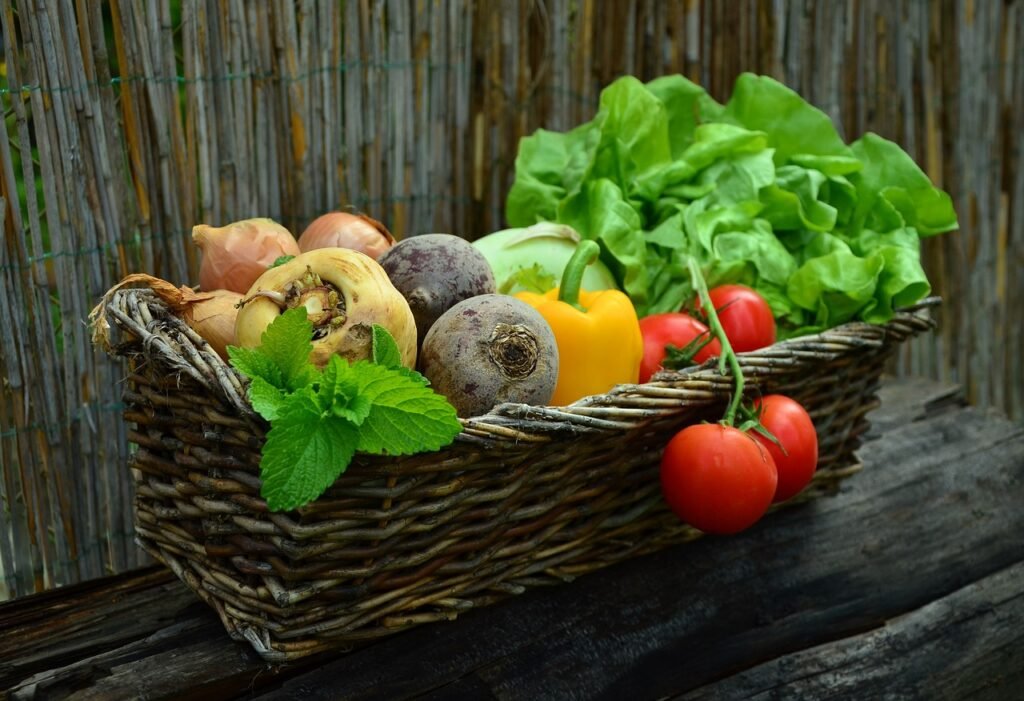
Choosing organic seeds and plants ensures that your garden starts with healthy, non-GMO varieties that are well-suited to organic growing practices.
In terms of organic gardening, the foundation of a successful harvest lies in the quality of the seeds and plants you choose. Opting for organic options not only supports a more sustainable, chemical-free approach but also promotes biodiversity and overall ecosystem health. By selecting non-GMO varieties, you are safeguarding your garden against potentially harmful genetic modifications that can impact both the environment and your health.
Organic seeds and plants are carefully cultivated to thrive in organic conditions, making them more resilient to pests and diseases without the need for synthetic chemicals. The use of organic seeds and plants also plays a crucial role in maintaining the organic integrity of your garden, ensuring that your produce remains free from harmful pesticides and other chemicals. Make your garden a haven for natural abundance by starting with the right foundation of organic seeds and plants!
Implement Natural Pest Control
Implementing natural pest control methods in organic gardening involves using solutions like neem oil, companion planting, and beneficial insects to manage pests without harmful chemicals.
Neem oil, derived from the neem tree, works as a natural pesticide and repels a wide range of pests such as aphids, mites, and caterpillars without harming beneficial insects. It not only disrupts the insects’ reproductive cycles but also acts as a deterrent to feeding. Furthermore, companion planting involves interplanting compatible species to enhance biodiversity and repel pests naturally. For instance, planting marigolds alongside tomatoes can deter nematodes and whiteflies.
Another effective strategy is attracting beneficial insects like ladybugs, lacewings, and bees to your garden. These insects prey on harmful pests, maintaining a natural balance in your garden ecosystem. By fostering a habitat that supports beneficial insects, you create a self-regulating pest control system that minimizes the need for chemical interventions. Incorporating these organic pest control methods not only safeguards your plants but also promotes a healthier and more sustainable gardening practice.
What are the Benefits of Organic Gardening?
Organic gardening offers multiple benefits, including producing nutritious and safe food, saving money, and reducing environmental impact through sustainable practices.
Produces Nutritious and Safe Food
One of the primary benefits of organic gardening is the production of nutritious, safe, and chemical-free food that promotes health and well-being.
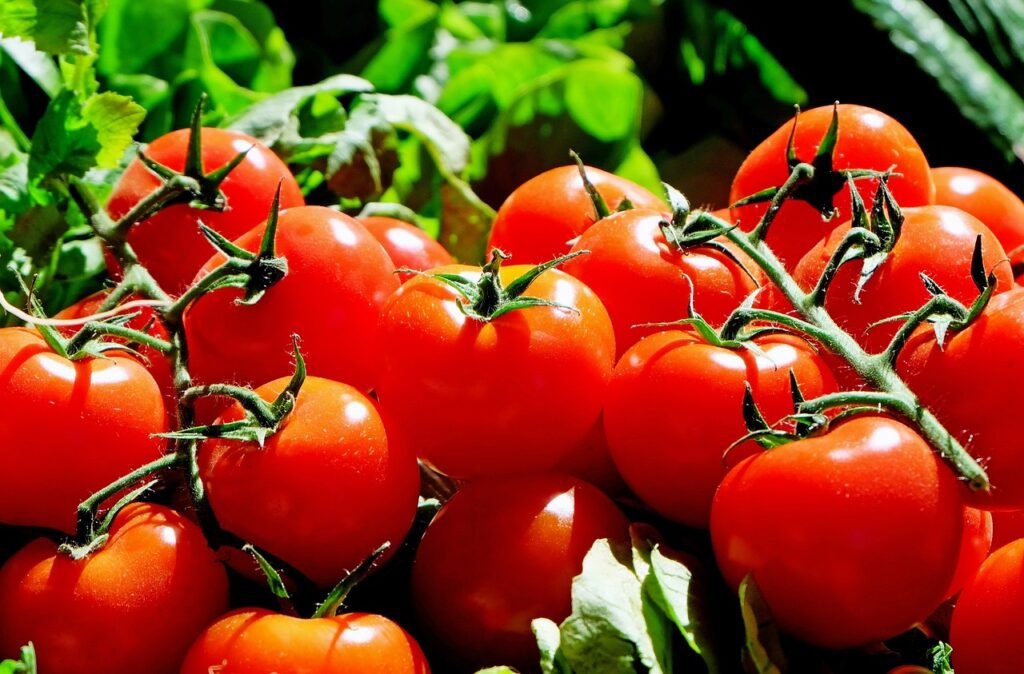
Organic gardening practices focus on nurturing the soil with organic matter and compost, which enhances the nutritional content of the produce. By avoiding synthetic pesticides and fertilizers, organic gardens provide consumers with food free from harmful chemicals that can disrupt hormonal balance and lead to long-term health issues.
Furthermore, organic fruits and vegetables are rich in essential antioxidants and phytonutrients that boost the immune system and support overall wellness. Choosing organic options not only benefits personal health but also contributes to a more sustainable and eco-friendly food system.
Saves Money
Organic gardening can save money in the long run by reducing the need for store-bought produce and costly chemical inputs, leading to more sustainable and economical food production.
By growing your own fruits and vegetables organically, you not only cut down on grocery expenses but also eliminate the cost of pesticides and fertilizers. This translates to significant savings over time. Additionally, gardening this way promotes sustainability by avoiding harmful chemicals that can damage the environment and contribute to health problems. Investing in a small initial setup for tools and seeds can result in a continuous supply of fresh, nutrient-rich produce without ongoing high expenses.
Reduces Environmental Impact
Organic gardening aids in reducing the environmental impact by improving soil health, conserving water, and supporting ecological balance through sustainable agricultural practices.
When opting for natural gardening methods, individuals choose to work with nature instead of against it. By avoiding synthetic chemicals and pesticides, organic gardeners nurture the soil, allowing beneficial microorganisms to thrive and promoting high levels of soil organic matter. This not only enhances soil fertility but also helps in sequestering carbon, a vital process for combating climate change. The reduced use of water-intensive conventional farming practices in organic gardening plays a crucial role in water conservation. Through techniques like mulching and drip irrigation, organic gardeners effectively manage water resources, minimizing wastage and promoting sustainable water usage.
Organic gardening contributes to ecological balance by fostering biodiversity in the garden ecosystem. By encouraging a variety of plants, flowers, and beneficial insects, organic gardens create a harmonious environment where pests are naturally controlled and pollinators thrive. This promotes a healthy balance within the ecosystem, reducing the need for harmful chemical interventions that can disrupt the natural order of things. Ultimately, the holistic approach of organic gardening not only yields fresh, nutritious produce but also plays a vital role in preserving the environment for future generations.
What are the Challenges of Organic Gardening?
While organic gardening has numerous benefits, it also comes with challenges such as requiring more time and effort and potentially yielding lower crop quantities.
Requires More Time and Effort
One of the challenges of organic gardening is the additional time and effort needed to implement natural methods, maintain soil health, and manage pests sustainably.
Gardening in general requires consistent dedication to ensure the health of your plants and the environment. Managing soil health involves regular testing, composting, and enriching the soil with natural amendments.
Addressing pest control naturally can be time-consuming as it often involves handpicking pests, using homemade remedies, or introducing beneficial insects. This commitment to sustainable practices is what sets organic gardening apart, requiring a deep understanding of natural ecosystems and a willingness to work in harmony with nature.

May Have Lower Yields
Organic gardening may result in lower yields initially due to natural pest control methods, organic fertilizers, and the absence of synthetic growth enhancers.
One of the key challenges faced in organic gardening is the effective management of pests without relying on chemical pesticides. This can be a time-consuming process, as it involves closely monitoring plant health and utilizing techniques such as crop rotation and companion planting to deter pests naturally. The use of organic products like neem oil and insecticidal soaps can be less potent than conventional chemical solutions, requiring more frequent applications for optimal pest control.
How to Maintain an Organic Garden?
Maintaining an organic garden involves regular pest and disease checks, crop rotation, and the use of compost and mulch to improve soil fertility and structure.
Regularly Check for Pests and Diseases
Regularly monitoring for pests and diseases in an organic garden allows for early detection and intervention using natural pest control methods, minimizing damage to plants.
By staying vigilant and scrutinizing plants regularly, organic gardeners can identify pest and disease issues before they escalate, giving them the upper hand in managing potential problems. Early detection is key in preventing outbreaks and preserving the health of the garden without resorting to chemical interventions. Utilizing integrated pest management techniques, such as companion planting and crop rotation, further enhances the garden’s resilience against pests. Employing natural predators like ladybugs and lacewings can also help maintain a balanced ecosystem, reducing the need for harmful pesticides.
In an organic garden, the emphasis is on fostering a sustainable environment where plants can thrive naturally, making pest and disease monitoring a fundamental aspect of successful gardening practices.
Rotate Crops
Crop rotation in gardening helps maintain soil health, reduce pest pressure, and optimize nutrient availability by alternating plant families in designated garden areas.
One of the significant benefits of incorporating crop rotation into your organic gardening practices is the improvement it brings to soil fertility. By planting different crops each season, the soil is less likely to become depleted of essential nutrients, leading to healthier and more robust plant growth. This process also helps to disrupt the life cycles of pests and diseases, making it a natural and effective form of pest management.
Use Compost and Mulch
Applying compost and mulch in an organic garden enhances soil fertility, retains moisture, suppresses weeds, and provides essential nutrients to support healthy plant growth.
Compost and mulch act as natural soil amendments that enrich the soil structure, promoting better aeration and drainage, which are crucial for strong root development. These organic materials help in maintaining a stable soil temperature, guarding plant roots from extreme weather conditions. Organic matter in compost fosters microbial activity in the soil, aiding in the decomposition of plant debris and improving overall soil health over time. By using compost and mulch, gardeners can create a sustainable ecosystem that reduces the need for chemical fertilizers while encouraging the growth of beneficial organisms.
Organic Gardening Wrap Up
In conclusion, organic gardening offers a sustainable approach to cultivating plants, promoting biodiversity, enhancing soil health, and producing nutritious organic produce.
Organic gardening practices focus on avoiding synthetic pesticides and fertilizers, instead relying on natural methods like composting and crop rotation to nourish the soil. By steering clear of harmful chemicals, organic gardens create a safe environment for beneficial insects and pollinators, contributing to biodiversity conservation. This eco-friendly practice not only benefits the immediate ecosystem but also supports long-term sustainable living by preserving soil quality and reducing water pollution. The fruits and vegetables grown in organic gardens are free from harmful residues, ensuring consumers receive fresh and healthy organic food.”
Frequently Asked Questions
Organic gardening has numerous benefits, including producing healthier and more nutrient-rich produce, reducing the use of harmful pesticides and chemicals, and promoting a more sustainable and environmentally friendly way of gardening.
Organic gardening refers to the practice of growing fruits and vegetables without the use of synthetic fertilizers, pesticides, or other chemicals. It focuses on using natural and sustainable methods to maintain a healthy and productive garden.
While it may require a bit more effort and planning, organic gardening does not have to be more difficult or time-consuming than traditional gardening. With proper techniques and tools, you can achieve a successful organic garden with ease.
Some common techniques used in organic gardening include crop rotation, companion planting, composting, and using natural pest control methods such as beneficial insects and companion plants.
No, organic gardening does not allow the use of synthetic pesticides and fertilizers. Instead, natural alternatives such as organic compost and natural pest control methods should be used to maintain a healthy and sustainable garden.
While organic gardening has many benefits, it may require more time and effort, and it may also result in slightly lower yields compared to traditional gardening. Additionally, certain pests and diseases may be more challenging to manage without the use of synthetic pesticides. However, the overall benefits of organic gardening far outweigh these potential drawbacks.



Pingback: The Ultimate Guide to Growing a Healthy Tomato Plant
Pingback: Sustainable Gardening Guide: A Must for Your Garden